
Summer Camp Ideas – The Science of Forces
Are you ready for summer? If you’ve found yourself in charge of summer camp planning, we’ve got you covered! We have put together a series of summer camp theme ideas, packed full of activities to create a memorable week for your kids. This week, our summer camp theme is Forces in Action. We’ve got the lessons, the activities and the fun all cued up. So let’s get ready for summer camp!
Science Summer Camp Planning Ideas – Forces
Table of Contents

Disclaimer: This article may contain commission, paid partnerships, or affiliate links. We independently review everything we recommend. When you buy through our links, we may earn a commission from qualifying purchases.
I always feel like the most engaging summer camps follow a theme and I have found that one of the most engaging and educational summer camp themes is “Forces in Action.” There are so many amazing possibilities, from gravity and friction to inertia and centripetal force, the science of forces is packed with hands-on learning, discovery, and excitement. Kids love it because it’s active and creative. And educators love it because it builds understanding by making an impact on the kids that they won’t forget because they are having a blast doing it!
As a bonus – a lot of these activities are low cost and low prep so you won’t exhaust yourself and your budget making an unforgettable camp experience!
DAY 1: INERTIA
What is inertia?
Simply, Inertia is the tendency of objects in motion to stay in motion and objects at rest to stay at rest, unless another outside force acts on it and makes a change. Think of it like when you’re riding in a car, when the car stops suddenly the people and objects will continue to move – that’s why you feel yourself lean forward as the car stops, or how toys or water bottles may roll off the seat when you stop suddenly.
PROJECTS AND ACTIVITIES
Penny Stack Flick
Ready to wow your campers with a jaw-dropping forces physics trick that looks like magic but is really just inertia in action? Try the Penny Stack Challenge, a super fun and simple way to explore inertia that’s perfect for summer camp!
Here’s how it works: Stack a few pennies on top of an index card, then place the card over the mouth of a clear cup. Ask your campers what they think will happen when you flick the card. Then—wham!—give that card a quick, firm flick. To their amazement, the pennies won’t go flying. Instead, they drop straight down into the cup below.
So what’s going on here? This experiment is a perfect demonstration of Newton’s First Law of Motion—also known as the law of inertia. The pennies want to stay at rest, so when you remove the card quickly enough, they don’t follow it. Instead, gravity pulls them down into the cup.
Campers can test their technique, by placing the card between two stacks of pennies and practicing flicking the card out. When done correctly the top stack will land neatly on top of the bottom stack as the card is flicked out.
Watch the penny flick experiment here.
Want more ways to learn and play with pennies? Check out Penny Lab.
Tablecloth Trick
Another fun example of inertia is the tablecloth trick. Cover a small table with a tablecloth. Set some dishes on top (non-breakable camp dishes are great for this!). Ask the kids – what would happen if you pulled on the tablecloth. Broken dishes? Messes on the floor? Flick that tablecloth – quickly and smoothly – everything on the table should remain while you can pull the tablecloth out. Inertia keeps the items on the table.
Stop and Go
Another easy visual for the kids to try is to have them walk with a small ball on a tray or plate in front of them. Have them walk forward quickly, when you call stop everyone has to stop suddenly. The object in motion, the ball, will continue to move even though you stopped the tray.
Inertia Hat
The Inertia Hat Project is a fun, hands on, unforgettable project to teach inertia! You can start the week with a laugh—and a lesson! Kids create wearable hats designed to demonstrate inertia. An inertia hat can either spin on your head, while you don’t move, or, it will stay still as you spin around. It is wild fun, and fantastic learning that teaches kids about Newton’s First Law in real time. Newton’s First Law says: an object at rest will remain at rest, and an object in motion will remain in motion with the same speed and direction unless acted upon by an another force.

DAY 2: GRAVITY
What is Gravity?
Next up in our week of forces is gravity. NASA’s Space Place website says: Gravity is the force by which a planet or other body draws objects toward its center. The force of gravity keeps all of the planets in orbit around the sun. (This is a pretty cool website if you’re into space and science! It makes a great tech tie-in to the lessons)
GRAVITY PROJECTS AND ACTIVITIES
Parachute Project
Have the students drop a toy from about the height of their nose. What happens? The object falls immediately to the ground. Can anything slow gravity down? How about a parachute?
Using coffee filters, paper or plastic, some string and a hole punch have the kids design a parachute for their toy. Then try dropping them again What happened? Did the parachute slow the fall? Was their landing a little softer? This is a great visual for the kids to understand the pull of gravity and how things like weight and resistance (like the air resistance created by the parachute) can affect the pull.
Egg Drop Project
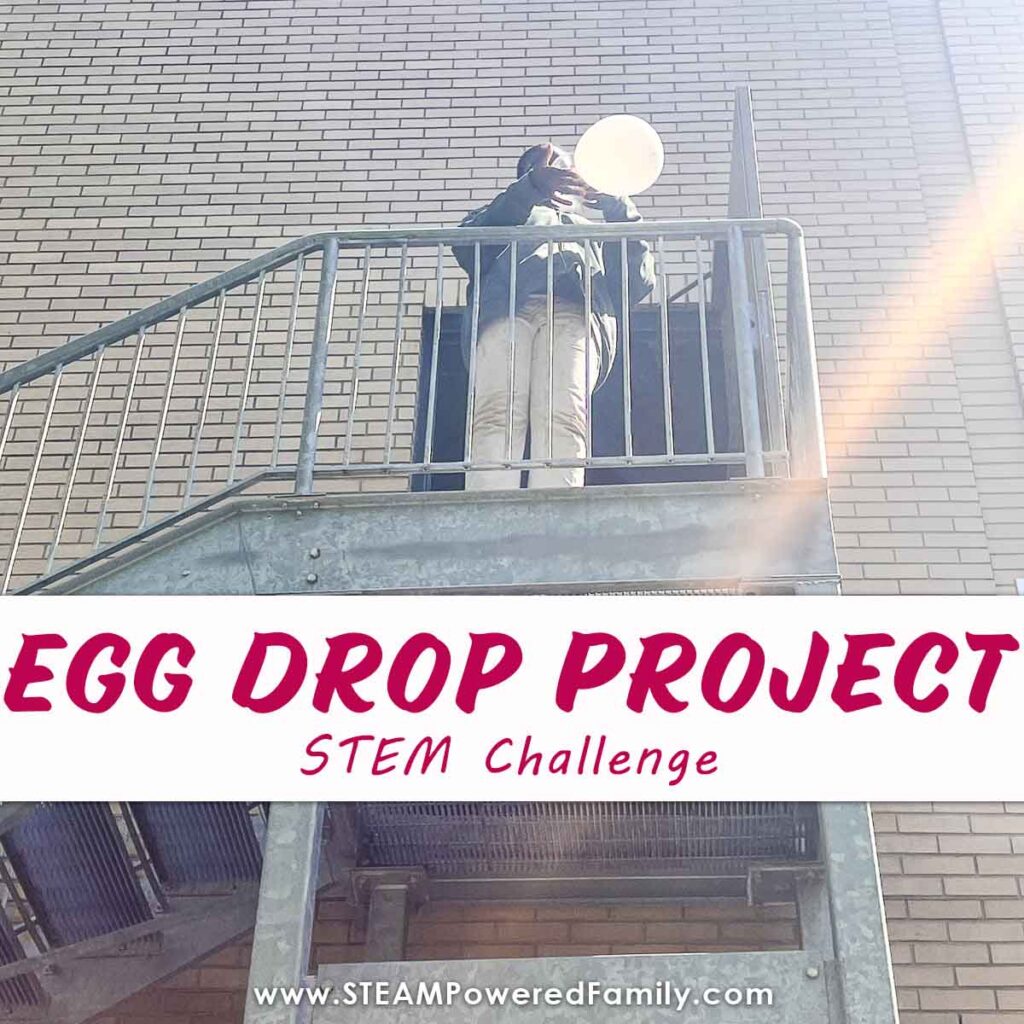
The Egg Drop is a classic project that I think every child should do at least once! Have them use their creativity to find ways to drop an egg from up high… without it breaking. They can use parachutes like they did with their toys, or design a container that will absorb the force of impact as gravity takes over and the eggs fall. Or for something really cool, try an Oobleck egg drop.
Paper Drop
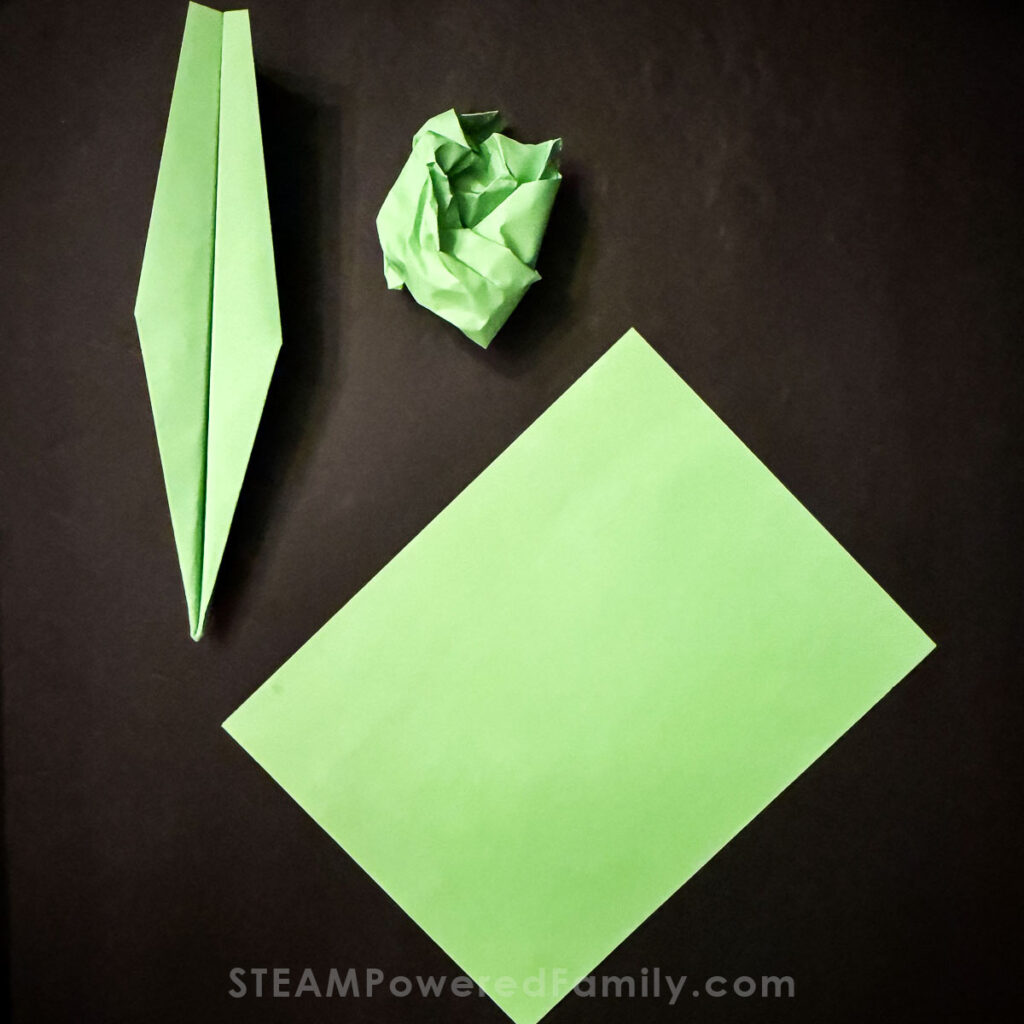
Another fun way to watch gravity at work is simply with paper. Give the kids a small pile of paper. Maybe 4 or 5 sheets. You’re going to have the kids drop the paper – but change it each time and see how it affects the pull of gravity. First run, just drop a piece of paper hold your paper vertically and drop it. Then horizontally and drop it. Crumple another piece, how does that fall differently? Finally have the kids fold their paper into an airplane. How does that affect the way the paper falls. What do the kids observe with each different drop. You could even give them stop watches and record the different fall times on a chart to see how each change affects the way the paper falls.
Paper Airplanes with Launchers
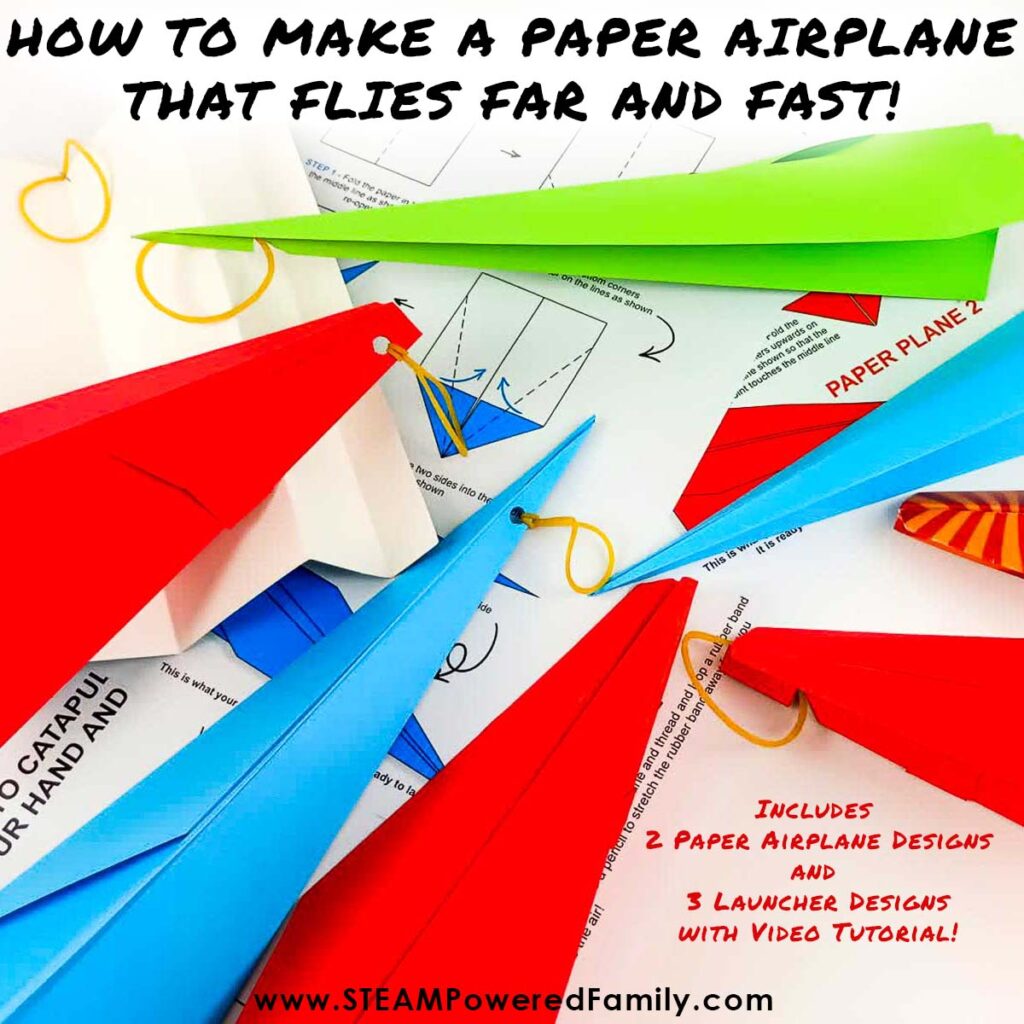
A fun project that explores gravity, push and pull, is making Paper Airplanes with Launchers. Perfect for summer camp!
Marble Painting
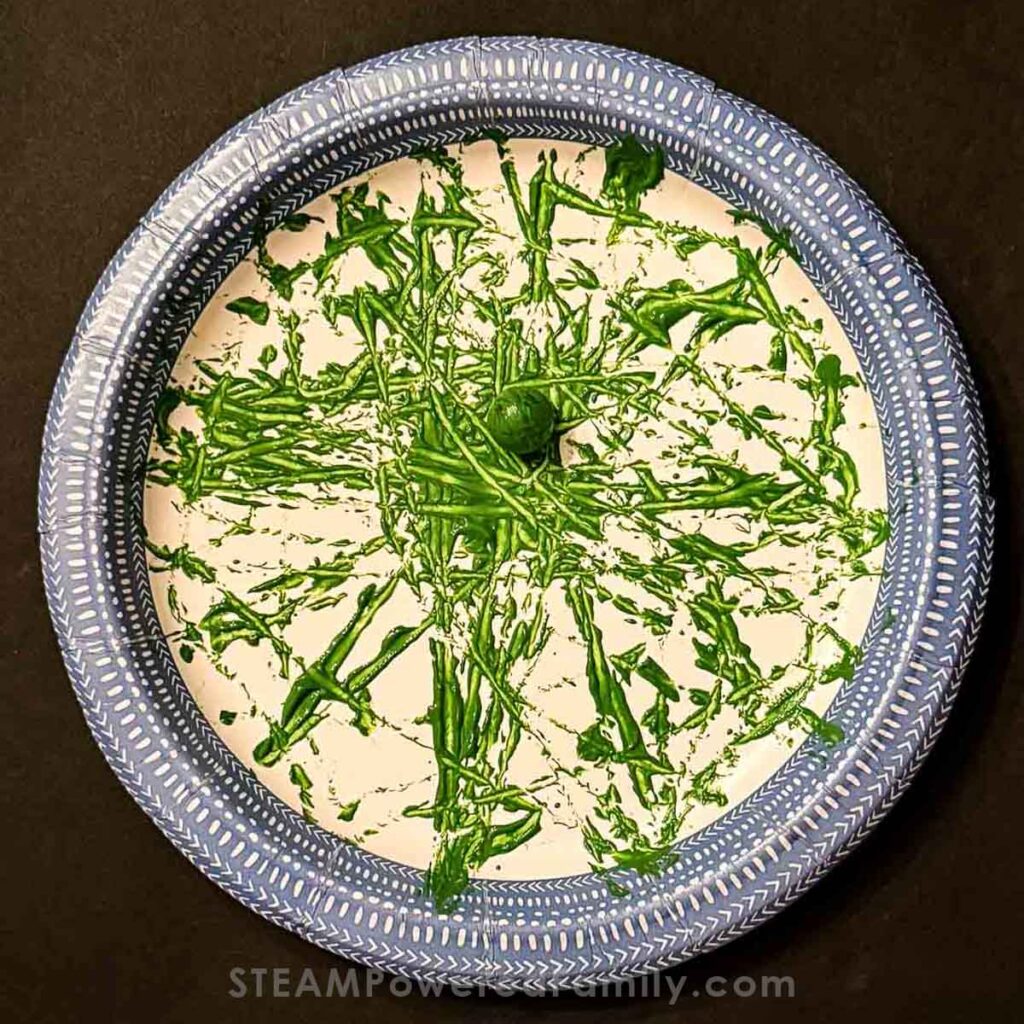
For this one you need a small paper plate with a lip – or some plain paper flat in the bottom of a box. Some acrylic paint and a marble. Plop a little paint in the middle of the plate or paper and then place the marble in the area. Carefully tip the plate and let the marble roll through the paint, tip it another way and watch it roll again. Changing the direction of the plate or paper will change how gravity is pulling the marble. As a result, the kids will have a memorable representation of gravity and a cool little art piece they can show their parents.
Pendulum Painting
Pendulum Painting is a cool project where art and physics collide. Kids use a swinging cup of paint to create beautiful designs while learning how gravity and motion influence the path of a pendulum. The pendulum is so fun to watch. Kids observe how the motion of the pendulum is controlled by gravity and how the paint’s path illustrates scientific patterns.

DAY 3: FRICITION
What is Friction?
Friction is a force that pushes back against motion. It can slow down or even stop motion. Think about when you push a toy car over a smooth floor. The car can go pretty fast, now what would happen if you tried pushing it on a carpet, the car is going to go slower because the carpet creates more friction than the smooth floor.
FRICITION ACTIVITIES
Crayon Rubbings
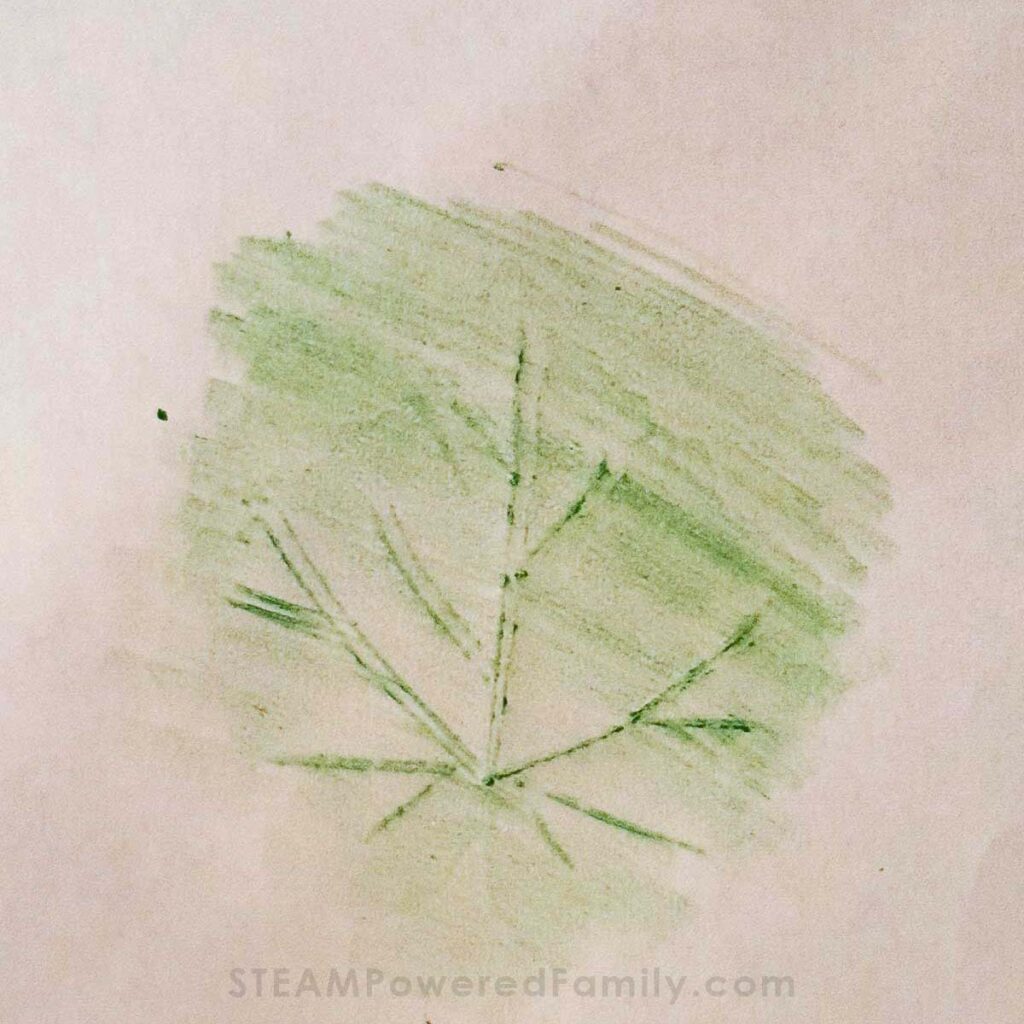
A really fun way to illustrate friction is with a quick art project. Making crayon art rubbings! We know that friction happens when two surfaces rub against each other. For this example we need some plain paper, some relatively flat objects like coins or leaves and crayons. Place your items under the paper and then use your crayon to color over the entire surface. The raised texture from the objects underneath the paper (like a leaf or coin) increase the friction because they push the paper closer to the crayon. Where there’s more friction (over the raised parts), more crayon appears on the paper.
Rice in a Bottle
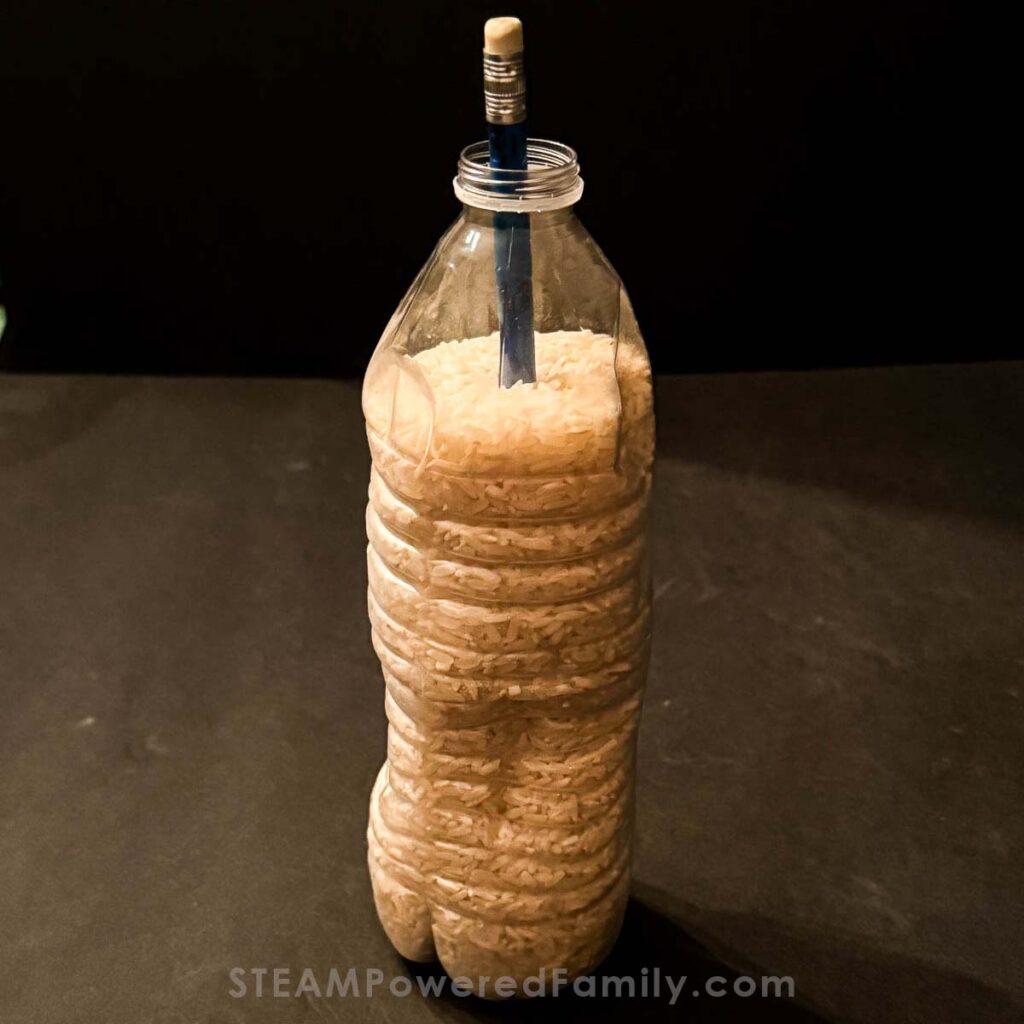
This is a cool visual representation too! You will need an empty plastic bottle, some white rice, a funnel and a pencil. Carefully fill the bottle with white rice. Ask the kids if they think you can lift the bottle with a pencil and some friction? More than likely the kids will laugh at you and tell you there is no way to lift the bottle with a pencil. Push the pencil down into the rice leaving a couple of inches sticking out of the top, and then tap the bottle on the table. Rub your hands together to create a little anticipation and then slowly lift the pencil. If it slips out easily, stir the rice around a bit and try again – the rice causes friction around the pencil as you move it and it will actually lock around it and allow you to lift the bottle! How cool is that?
Ramps and Race Cars
Make a cardboard ramp and line it with different textured surfaces, maybe some bubble wrap, aluminum foil, some flat blocks, a towel, whatever the kids think will work best. Then have a conversation making predictions about what each of the surfaces will do to the speed of the car. Have someone man the stopwatch and time a toy car going down the ramp over each of the surfaces you’ve created. Record the times. Were their predictions correct? What surfaces caused the least friction? What caused the most?
This would be a fun twist on the Make it Move Challenge.
DAY 4: PUSH AND PULL
What are Push and Pull?
Push and pull are forces of motion. Push will move something away from you while pull will bring something toward you. These are the forces that make anything start, stop, or change direction.
PUSH AND PULL PROJECTS
Catapults
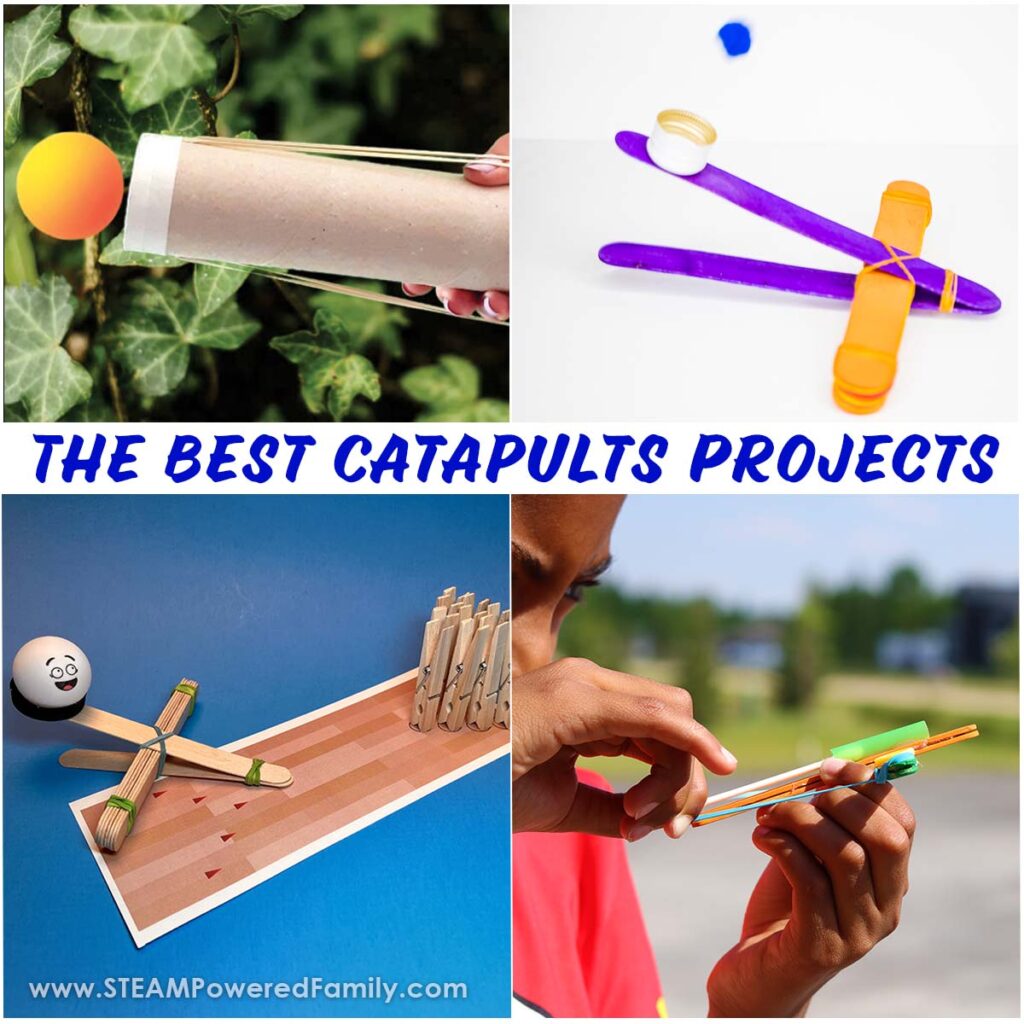
My all time favorite STEM for exploring forces has to be catapults! Small scale catapults are easy to make with kids but they have a big impact and they demonstrate both push and pull. A catapult has three basic parts – the arm (including the bucket), an elastic force (elastic force most often uses tension – stretching force or torsion – a twisting force) and the base or fulcrum (the point where your force and arm meet). The physics behind a catapult are simple, pulling back on the arm creates stored or potential energy and when you release the arm it converts that energy to motion and pushes your object through the air.
Build a simple Popsicle Stick Catapult.
Or really challenge your campers and make Catapult Cannons!
Magnet Mazes
Magnet Mazes are another fun way to show kids how push and pull works. Have the kids draw a maze on a paper plate. From there you will need a paperclip and a strong magnet. Place the paperclip on top of the plate and hold the magnet underneath. The magnet will pull the metal from the paper clip and you will be able to use the magnet to push the paperclip through the maze.
Tug of War
A good old fashioned tug of war is a fun way to illustrate push and pull. In order to win at tug of war you need to push your feet against the ground to create friction to keep you in place while at the same time pulling against the other team.
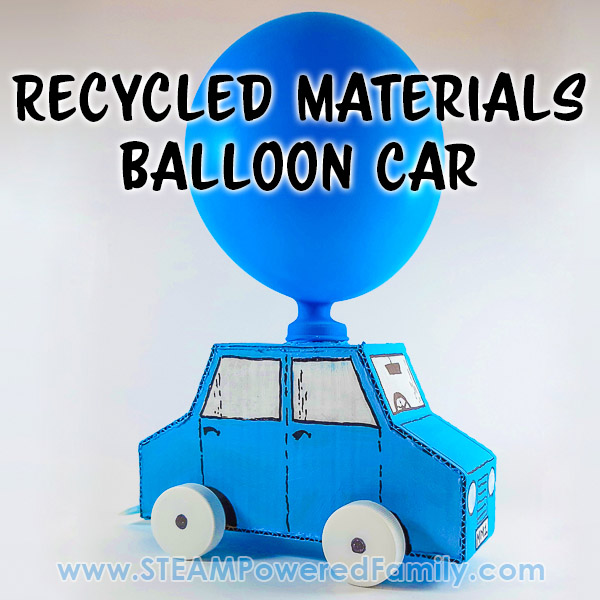
If you’re looking for another cool push and pull activity – try building our Balloon-Powered Car with Recycled Materials!
DAY 5: ELASTICITY
What is Elasticity?
It’s the ability of a material to return to it’s original shape after being changed or deformed by an outside force. When something that is elastic is stretched, it stores energy. This energy, called elastic potential energy, this energy is released when the obstacle that was stretching it is removed and the elastic material returns to its original shape.
Balloon Chase
A super simple way to demonstrate elasticity is to have the kids blow up some balloons. The bigger the better. Once they are all blown up – what do you notice? The balloon stretches and changes with the force of the air you blew inside. Then, count to three and let them go. Watch the air escape and the balloons fly all over the room. Then find your balloon – what do you notice now? The balloon returned to its original shape once all of the air had escaped.
A fun twist on this is Balloon Races.
Slingshots
Making a simple slingshot is a fun way to demonstrate elasticity as well as stored energy, kinetic energy and push and pull! To make a slingshot you can use a v shaped stick, some popsicle sticks in the shape of a v or even a cup with a balloon stretched over the bottom. You will also need something to shoot like a pom pom, a ping pong ball or a cotton ball. So how does it work? Put your “flinger” in place and pull back on your elastic element. As you pull back the stored energy or potential energy is created. When you let go and the object flies, that’s an example of kinetic energy and the push of it off of the launcher.
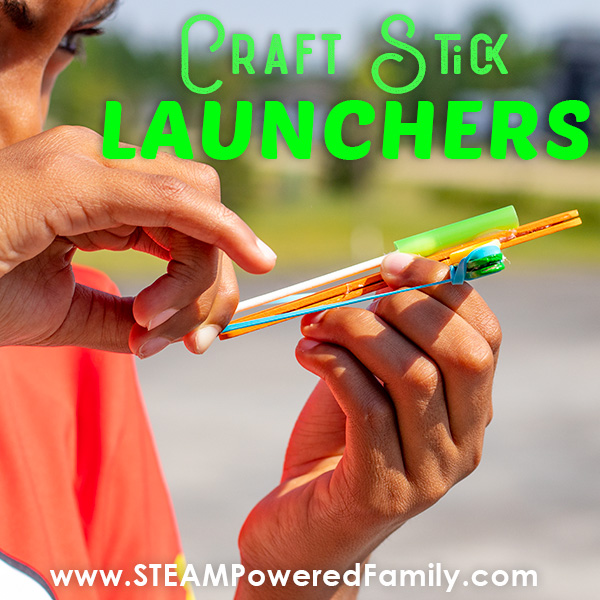
Try building a mini crossbow launcher for some extra STEM learning.
Rubber Band Car
The Rubber Band Car Project is so much fun and can be made with recycled materials that you probably have on hand. Once your car is built you can once again see elasticity at work. When you twist the rubber band, you are storing energy inside it. As you twist more, you store even more energy in the rubber band. When you let go, the rubber band unwinds and releases the stored energy. This released energy becomes kinetic energy, or the energy of movement, which makes the wheels turn and pushes the car forward.

There you go, a full camp experience of fun and forces. These projects are low prep but have a major impact so you can enjoy your camp week as much as the kids!
More Summer Camp Themes


