
Pipe Cleaner STEM Activities: The Ultimate No-Prep Classroom Tool
Pipe cleaners are a classic crafting material – kids have used them for ages to dream up amazing creations. They are an absolute must in any classroom.
However, if you think outside the craft closet, you’ll realize these bendy, fuzzy little wires can be used in every aspect of your teaching.
From building simple STEM models and illustrating science concepts to bringing characters to life and practicing math concepts like angles and symmetry, pipe cleaner STEM activities are incredibly versatile. You can even form shapes, numbers, and letters with your little learners.
Pipe cleaners are an amazing material because they do not require additional supplies – no glue, tape, or drying time needed. They are easy to manipulate, come in a wide range of colors, and are extremely inexpensive.
That makes them one of the best no-prep STEM materials for classrooms, homeschool, and after-school programs. I have some fun ideas to get you started!
Materials for Pipe Cleaner STEM Activities
Table of Contents
Disclaimer: This article may contain commission, paid partnerships, or affiliate links. We independently review everything we recommend. When you buy through our links, we may earn a commission from qualifying purchases.
What you will need:
- Pipe cleaners in an array of colors
- Paper (for bases, labels, or guides)
- Pencils (for shaping and wrapping)
- Beads (optional for extensions)
- Scissors
- Glitter (optional)
- Cupcake liners
- Wooden craft sticks
- Shoeboxes
- Plastic cups or plastic eggs
Why Use Pipe Cleaners for STEM Learning?
Pipe cleaners are inexpensive and highly flexible (pun intended!), but beyond that, they encourage creativity, problem-solving, and hands-on STEM learning.
Think about it – the starting point is a colorful, fuzzy wire and some simple directions. You get to observe how kids understand the concepts you’re teaching and how they approach each challenge.
Despite being so simple, they can be used to support many areas of STEM education. Students explore structural design and stability, design and redesign, problem-solving, and working within constraints. They also build geometry and spatial reasoning skills, while strengthening fine motor control.
Pipe cleaners are truly an all-around win! If you’re looking for more low-prep ideas for your classroom, be sure to check out these no-prep STEM activities with popsicle sticks and these no-prep STEM activities using paper for even more simple, hands-on inspiration.
Easy Pipe Cleaner STEM Activity Ideas
Plant and Flower Models
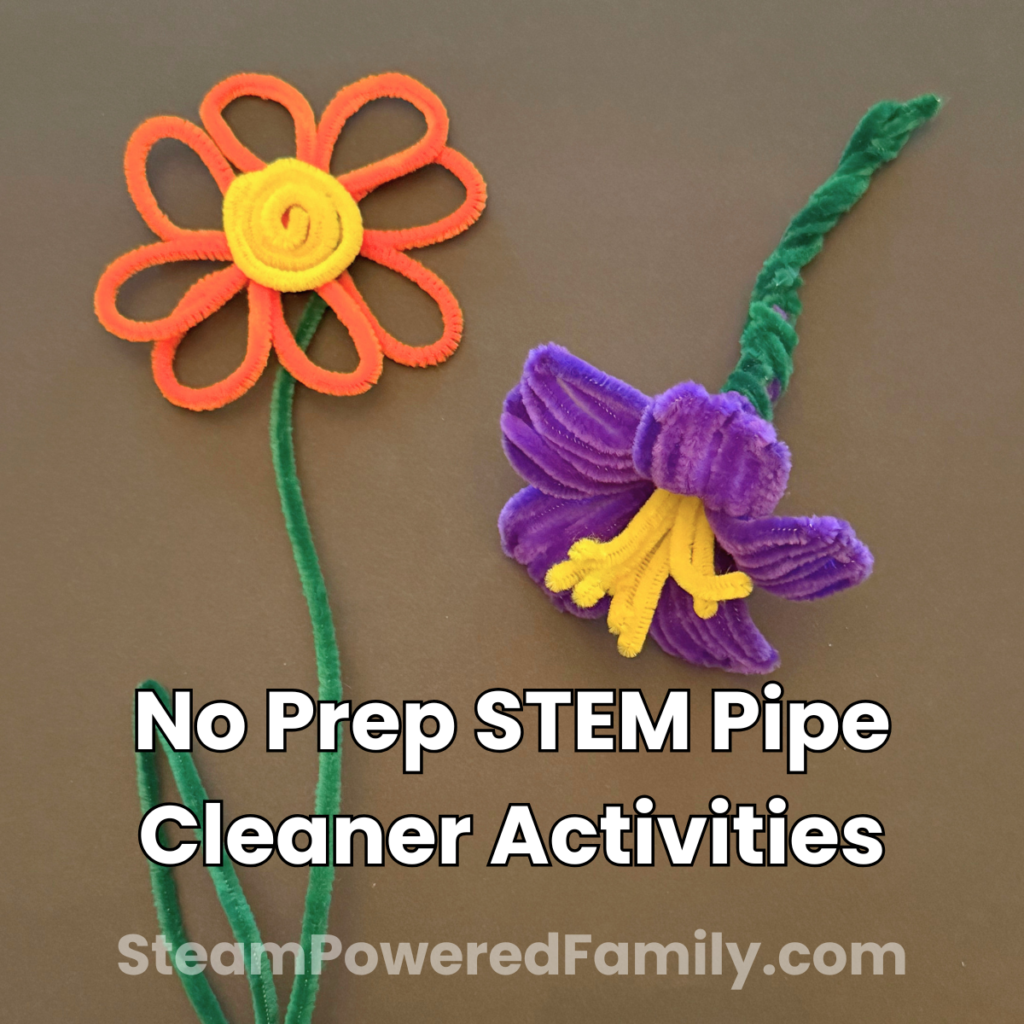
During life science units, we often cover the plant life cycle and the anatomy of plants and flowers. I love using pipe cleaners to have students build models of plants or flowers.
Students should include specific flower parts, including a root system. For older students, add STEM constraints – such as requiring the flower to include all parts and stand on its own. You can even have them add a bumblebee and some glitter to illustrate pollination.
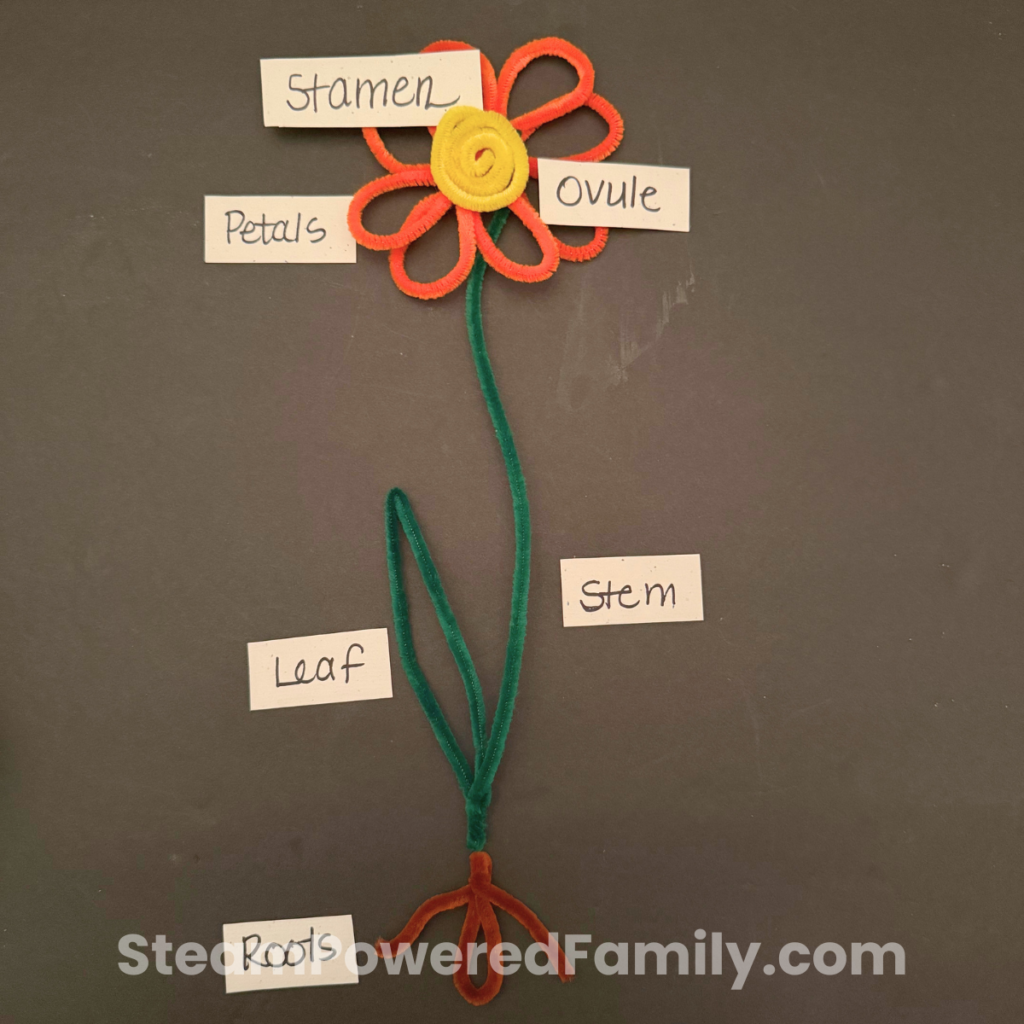
Make a Flower Model
Create a 2D (flat) flower model including labeled parts: roots, stem, ovule, stamen, and petals. Alternatively, build a 3D model that includes all parts and can stand independently.
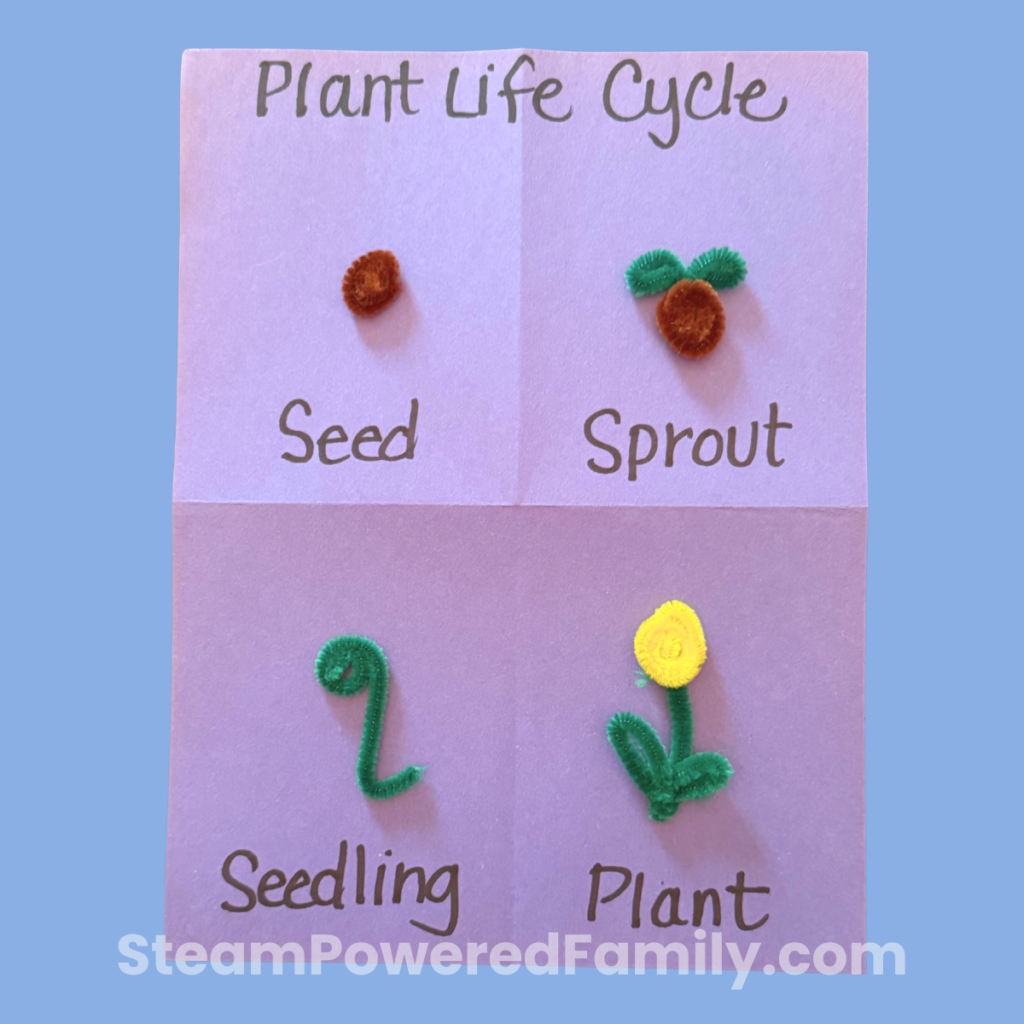
Life Cycle of a Flower
Fold a piece of paper into four sections. Use pipe cleaners to represent each stage of the life cycle. Label each stage and write a sentence explaining it.
You can extend this learning by incorporating a hands-on seed lab activity, helping students explore how plants grow right from the start.
Pollination Power
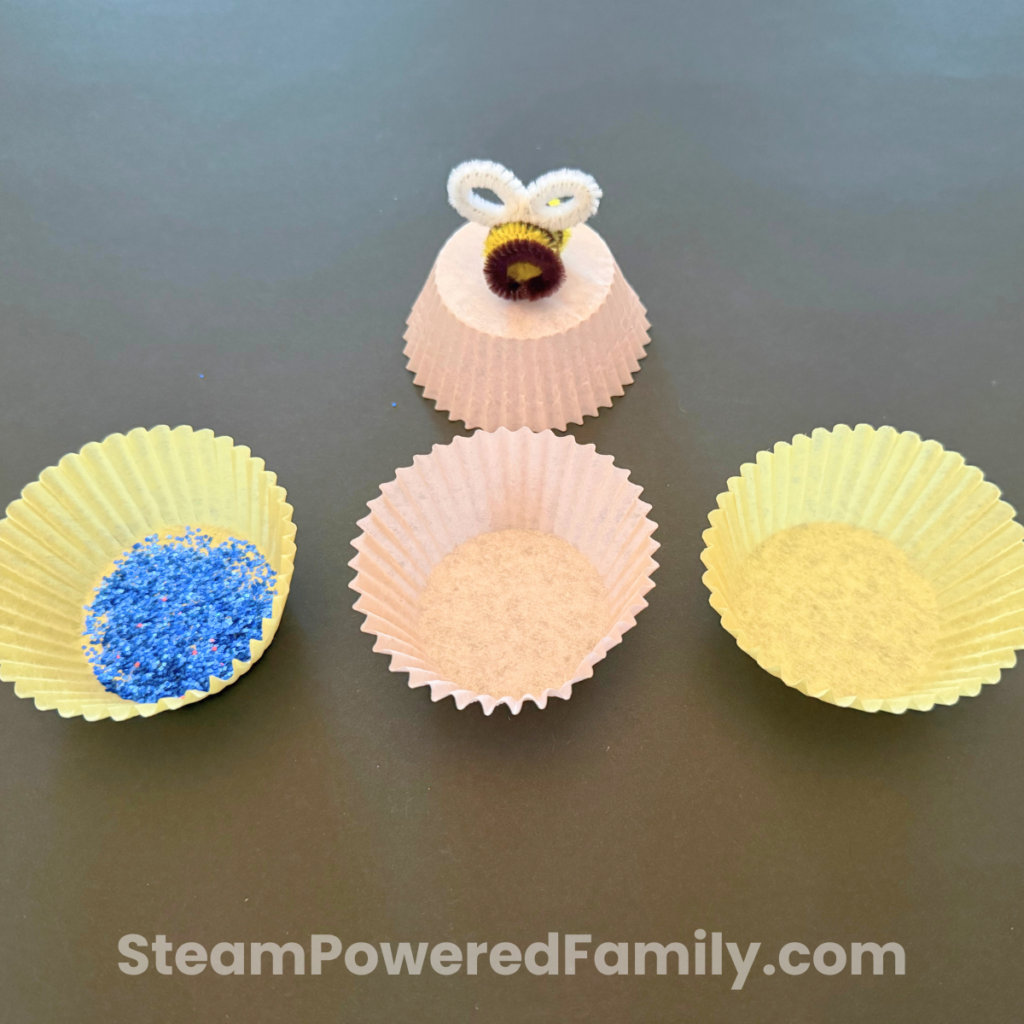
Make small bumblebees using pipe cleaners. Sprinkle glitter on flower models, then move the bees between flowers to demonstrate pollination. The fuzzy texture helps transfer the “pollen.”
For less mess, use cupcake liners to contain the glitter.
Creature Feature Challenges
When studying animals, students explore life cycles, habitats, and classifications like vertebrates and invertebrates. Pipe cleaners make a great hands-on extension.
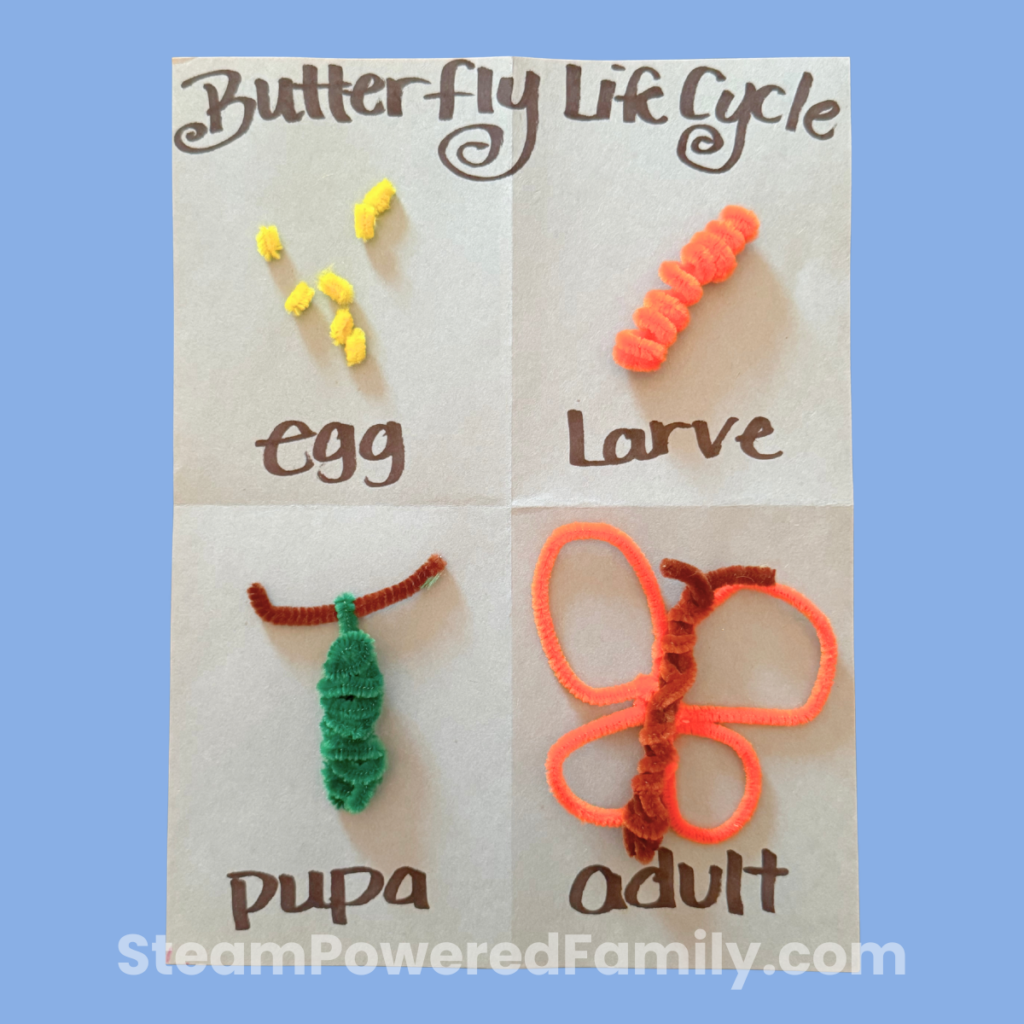
Life Cycle of a Butterfly
Use the folded paper method to represent the four stages: egg, larvae, pupa, and adult. Students can create 3D elements and add written explanations for each stage.
This is a great way to bring the life cycle to life for students – if you’re looking for another engaging option, try this butterfly life cycle model activity for a fun, hands-on 3D version they’ll love.
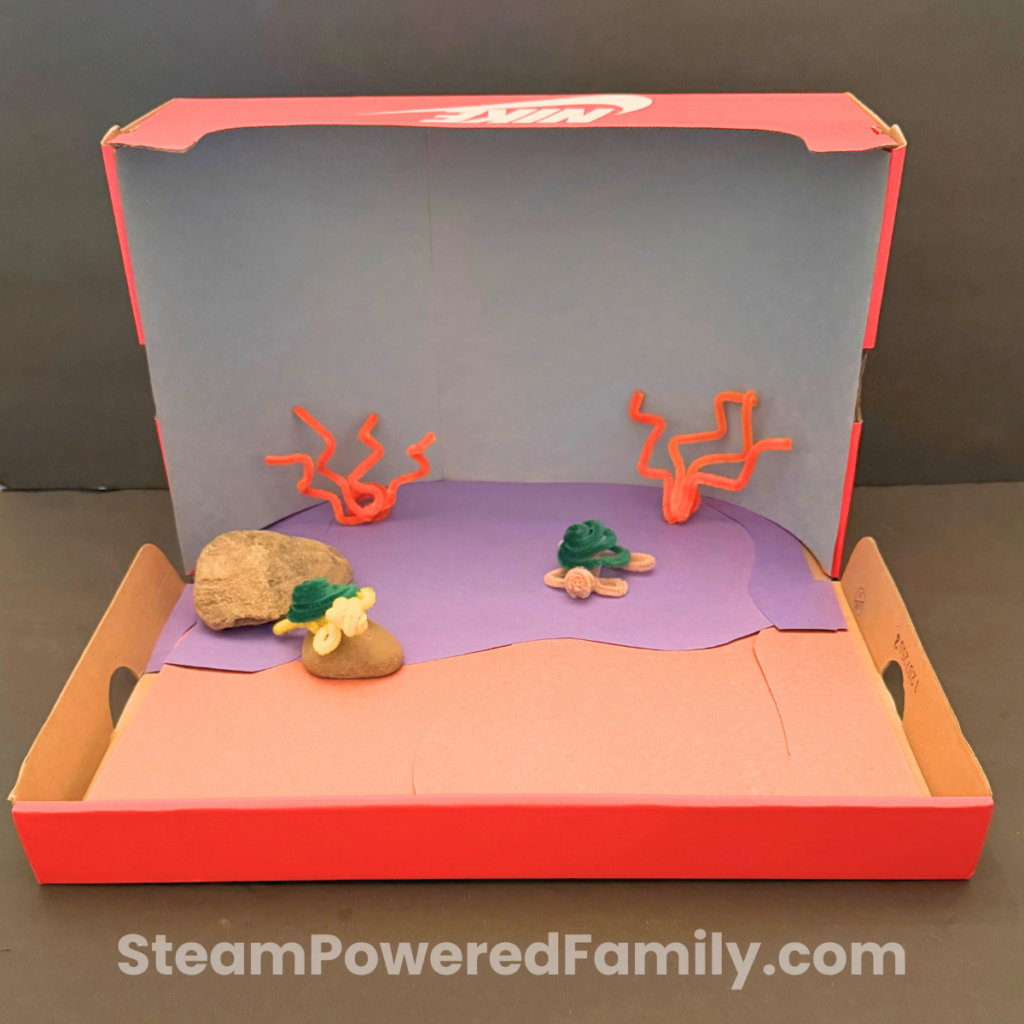
Animal Habitat Diorama
Build simple dioramas using pipe cleaners to represent animals and environments. This is a great way to bring research to life.
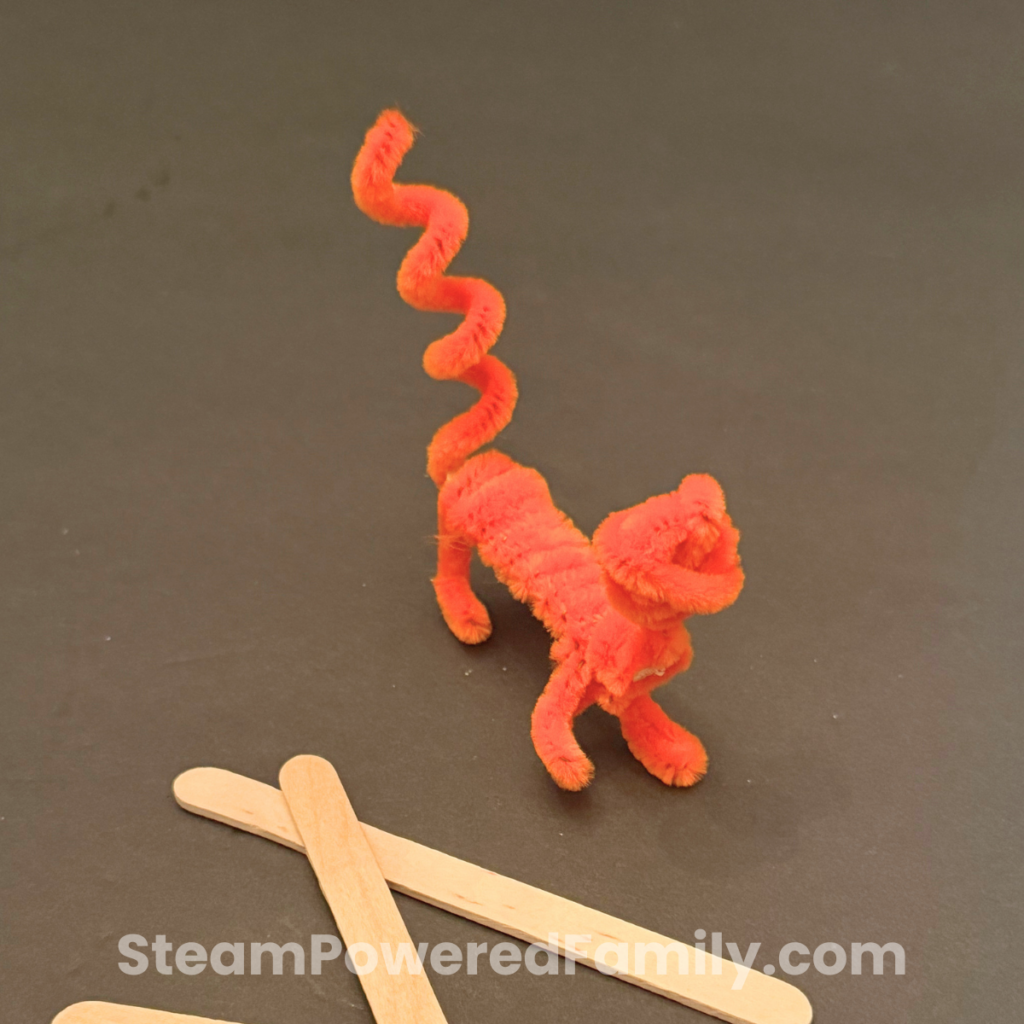
Vertebrate vs. Invertebrate Models
Have students create one of each. Add a constraint by requiring a wooden craft stick “spine” for vertebrates. Both models should stand independently.
Out of This World Models
For space units, try incorporating pipe cleaner STEM activities into astronomy and engineering challenges.
Pipe Cleaner Constellations
Use constellation cards as guides. String beads onto pipe cleaners and bend them to match star patterns.
Which constellations should you recreate with pipe cleaners? Our pipe cleaner constellation activity offers plenty of ideas to get you started.
Lunar Lander Challenge
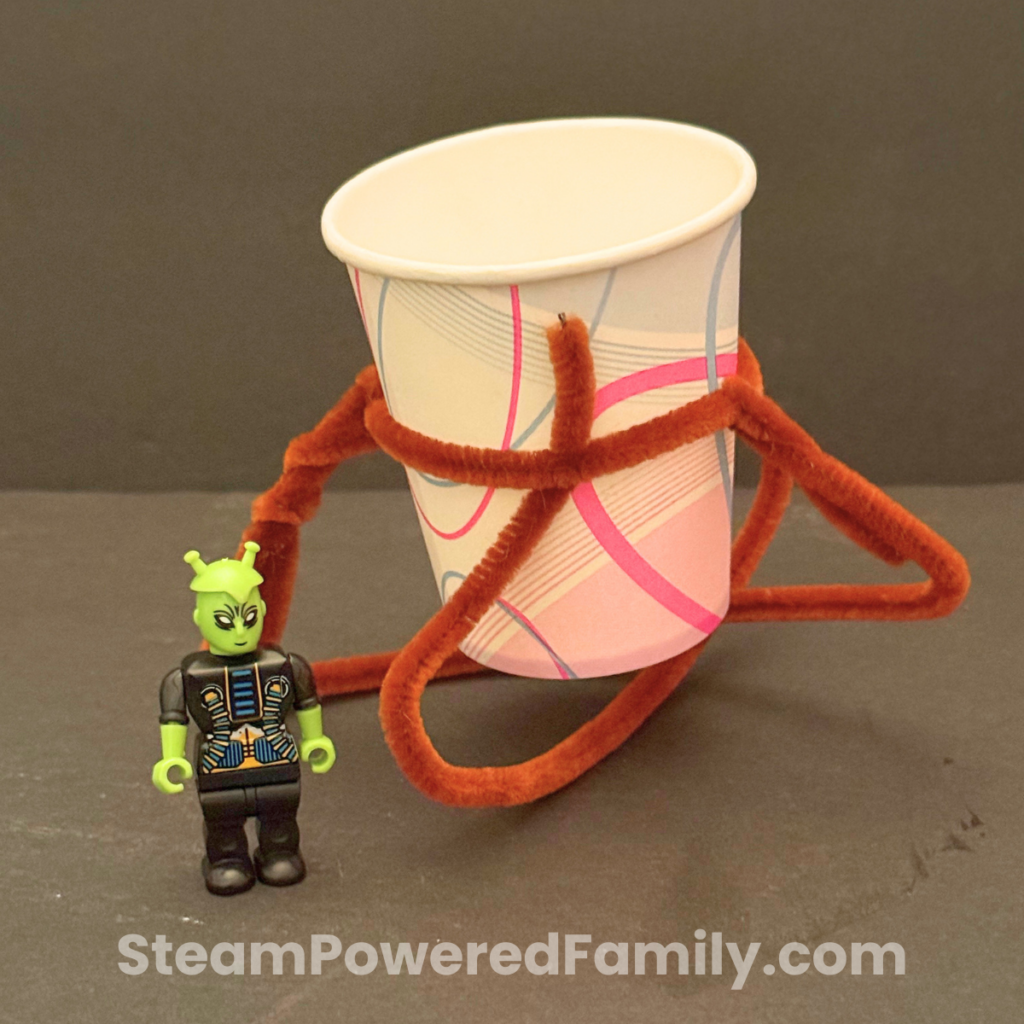
Students build landing gear to protect cargo during a moon landing.
Use plastic eggs (younger students) or small plastic cups (older students). The goal is to prevent tipping or cargo ejection.
Give students a limited number of pipe cleaners (try 5) and have them drop their lander from about 6 inches. Then allow time for testing, redesign, and improvement.
Final Thoughts on Pipe Cleaner STEM Activities
I hope these ideas show that pipe cleaners are truly an indispensable, no-prep STEM tool you can use anytime to enhance learning.
Hands-on, creative projects help students build understanding, confidence, and retention. And sometimes, the simplest materials lead to the most powerful learning experiences.
FAQs
They are STEM challenges that require little to no setup or advance planning.
Pipe cleaners are flexible, inexpensive, and ideal for rapid prototyping.
Yes! These activities are perfect for quick lessons, centers, or early finishers.
They develop problem-solving, design thinking, and fine motor skills.
Minimal directions encourage creativity and independent thinking.